
Saskatoon’s History Through the Lives and Experiences of its Greek Community
early as 1901, the first Greeks to immigrate to North America travelled on the expanding rail network into Canada and into the Northwest Territories (before Saskatchewan became a province) and Saskatoon (before it amalgamated with two other villages to become a city). Approximately another ten years would pass before Greeks chose to commit to establishing roots in Saskatoon by opening businesses and inviting friends and family members to join them. A Greek community emerged as marriages led to families giving birth to and raising the city’s second generation of Greek-Canadians.
In the early years, Saskatoon’s Greek community served three major purposes. First, it provided the support and services for newly arrived residents who were mostly young (in their late teens and early twenties), single, and from poor villages in Greece. Their families had sent them here to be employed and to send monthly remittances to family members back home. The second purpose of the community was to combat the feelings of “homesickness” and loneliness by encouraging social interaction and offer familiar cultural activities to its members, as well as to explain the customs, traditions, and expectations of the broader Canadian society in which they now lived. The third purpose was to promote and protect the values and the positive image of Greeks within a society which was predominantly British and at a time when the loyalty and value of Greek immigrants to Canada and the British Empire was being questioned.
The early Greeks became prominent members of the hospitality industry in Saskatoon. Many initially owned confectioneries. The core of their operations involved producing and selling chocolates, candies, and pastries, which they also supplied to department stories and other retailers in the city and beyond. The confectioneries soon expanded their operations into tea rooms which often employed tea-cup readers.
By the late 1920s and early 1930s, Greeks began converting their businesses or opening new businesses in the form of luncheonettes, coffee shops, cafes, and restaurants. A prominent feature of these businesses was a winding counter, often the length of the public space, which offered single seating in the form of swiveling stools. The counter, often referred to as coffee row, served customers from nearby businesses and offices who were on coffee breaks from work.
Coffee rows provided customers with quick service, as well as lively discussions about local affairs. Some cafes and restaurants became known as the place to be for the latest news and gossip about specific issues and topics. Newspaper reporters would join in the discussion as they searched for leads and perspectives that could be included in their papers’ next edition. The Greek owners of these businesses were often identified in the newspaper articles and, therefore, were well known in the city. Furthermore, the Greeks promoted their businesses and advanced awareness of the Greek community through newspaper reports by sponsoring sports teams, promoting and participating in community-wide events, joining local service clubs, and offering scholarships, awards, and recognition to residents of all backgrounds.
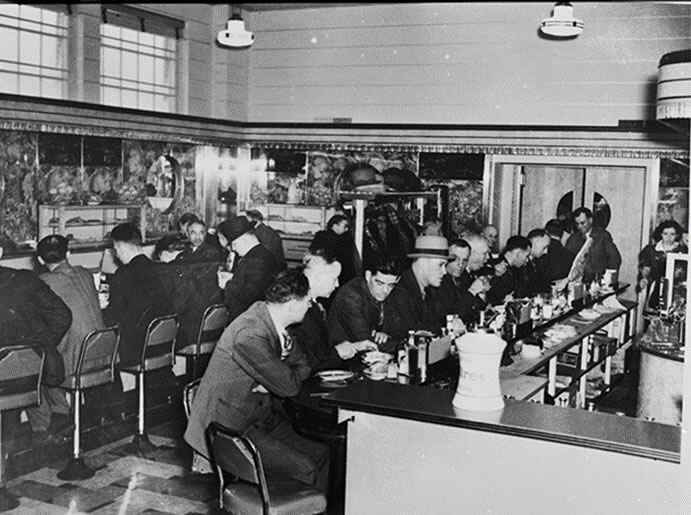
Coffee Row, Elite Cafe
Source: Saskatoon Public Library, Local History Room (LH-6034)
The early Greeks laid the foundation upon which subsequent newcomers were welcomed to Saskatoon. They provided community spaces for socializing; housing was made available for single renters. A Greek language school was operated for their children and eventually a church building was secured for a future parish.
This website remembers and celebrates, with thanks and respect, the past members of the Saskatoon’s Greek community. It is presented in the form of a history of this community, but also as recognition of how this community contributed to the historic quality of life, economic growth, and development of the city as a whole.
The website is a work in progress and more information will be posted every month. Ken Pontikes is the primary editor/contributor of the website. Comments, submissions of additional information, and corrections to existing information are welcome and can be emailed to the following address: sktngreekhistory@gmail.com.
Written by Ken Pontikes, September 26, 2025.
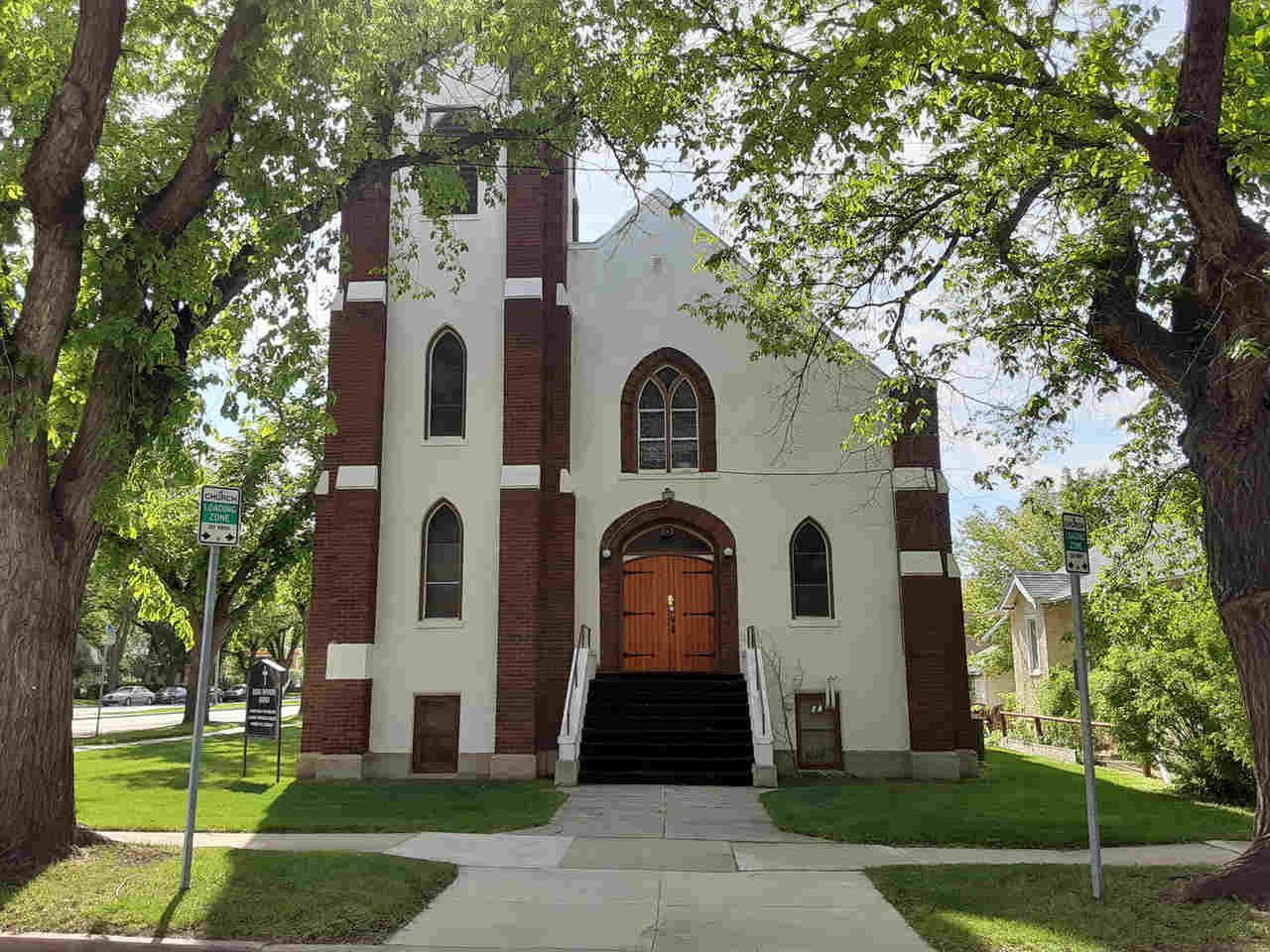
“Koimisis Tis Theotokou”
(Assumption of the Virgin Mary)
Greek Orthodox Church in Saskatoon